Coffean Font: Elevating Small Business Brand Identity
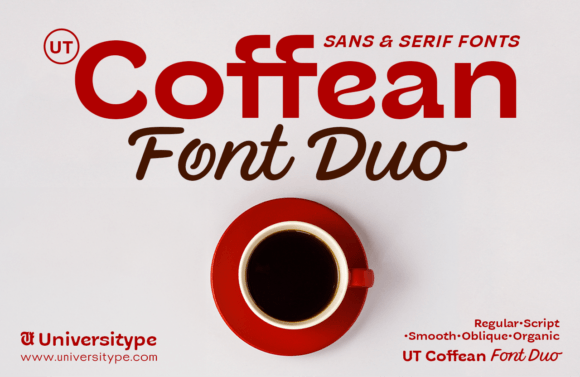
There is a specific moment in every small business journey when you realize that your product is excellent, but your packaging just isn't doing it justice. For me, that moment came late one Tuesday night while staring at a stack of plain kraft paper bags and generic labels. My artisanal coffee roasting side hustle had grown beyond farmers' markets, and I was preparing to launch an online subscription service. The beans were roasted to perfection, tasting notes were dialed in, but the visual identity felt disconnected from the warmth and craftsmanship inside the bag. I needed a typeface that didn't just spell out "Dark Roast," but actually felt like the aroma of freshly ground beans. That search led me to the UT Coffean Font Duo, and it completely transformed how my customers perceive my brand.
Finding Warmth in Typography
When we talk about display fonts, there is often a fear that they will be too gimmicky or hard to read. As a business owner, I cannot afford illegibility on a shipping label or a website banner. What drew me to Coffean was its organic inspiration. Drawing directly from the natural curves of a coffee bean, this typeface manages to be thematic without being cartoonish. It strikes a delicate balance between rustic charm and modern polish.
The duo includes UT Coffean Sans and a complementary serif style. When I first tested them on my product mockups, the difference was immediate. The sans serif version offered a clean, approachable foundation that felt sturdy and trustworthy—essential for conveying quality. Meanwhile, the accompanying style added that necessary touch of artisanal flair. It wasn't just a font; it was a mood setter. For any entrepreneur in the food, beverage, or lifestyle space, finding a creative font that evokes sensory memories is a massive advantage. It bridges the gap between a digital screen and a physical experience.
Practical Applications Across Touchpoints
Consistency is the currency of trust in small business branding. Before adopting Coffean, my Instagram templates looked different from my thank-you cards, which looked different from my website headers. Adopting this specific typeface as my primary display font created a cohesive thread through every customer interaction.
- Product Packaging: This is where Coffean truly shines. On a matte black coffee pouch, the rounded terminals of the letterforms softened the industrial look of the packaging. It made the product feel handmade and premium rather than mass-produced.
- Social Media Graphics: Creating carousel posts for brewing tips became effortless. The font has enough personality to stand alone as a headline without needing heavy graphic embellishments. It stops the scroll because it feels intentional.
- Printed Collateral: From business cards to menu boards, the legibility remained high even at smaller sizes. This is crucial for cafés or bakeries where customers need to quickly scan options.
- Digital Storefronts: Using Coffean for collection titles and sale banners gave my Shopify store a boutique feel that matched the unboxing experience.
If you are running a candle shop, a skincare line, or a cozy bakery, this versatility is invaluable. You aren't buying a font for a single logo; you are investing in a comprehensive brand identity system.
Pairing for Professionalism and Readability
A common mistake I see fellow entrepreneurs make is falling in love with a beautiful display font and trying to use it for everything. While Coffean is stunning for headlines, logos, and short phrases, it needs a supporting actor. In my own rebrand, I paired UT Coffean Sans with a minimalist geometric sans serif for body copy and ingredient lists.
This contrast is vital. The organic, curvy nature of Coffean draws the eye to the most important information—the product name, the tagline, the call to action. The simpler supporting font ensures that nutritional facts, shipping policies, and long-form blog posts remain easy to digest. Think of it like plating a meal; the garnish (Coffean) makes the dish beautiful, but the protein (body text) provides the substance. This strategic pairing elevates your design assets from "cute DIY project" to "professional commercial brand."
Navigating Technical Details for Commercial Use
As business owners, we have to wear many hats, including legal compliance. Before you commit to a premium font for your merchandise or client work, always verify the licensing. Coffean is designed with commercial use in mind, but checking the specific license file included in your download is non-negotiable. Ensure it covers your intended use case, whether that is physical products, digital downloads, or advertising.
You should also explore the OpenType features included in the font files. Many display fonts come with alternate characters, ligatures, and swashes that can customize your logo design or packaging titles. I discovered that swapping a standard 'a' for an alternate glyph in my brand name gave it a unique signature that prevented it from looking like a template. These small typographic nuances signal to customers that you care about details, which subconsciously suggests you care about product quality as well.
The ROI of Intentional Design
We often hesitate to invest in paid typography when free alternatives exist. However, after integrating Coffean into my business, the return on investment became tangible. Customers began commenting not just on the coffee, but on the "vibe" of the brand. Unboxing videos on social media increased because the packaging was photogenic. Wholesale inquiries picked up because the brand looked established and reliable.
Typography affects first impressions faster than almost any other visual element. In a crowded marketplace, your font choice tells a story before the customer reads a single word. Coffean tells a story of warmth, organic quality, and thoughtful craftsmanship. Whether you are redesigning a café menu, launching a new beauty product, or refreshing your Etsy shop, choosing a typeface with this level of character and versatility is a strategic business decision. It turns everyday materials into memorable brand experiences, proving that good design is not just decoration—it is a fundamental part of building a sustainable, recognizable business.